The Most Powerful Kaladesh Remastered Cards for Gladiator

With Kaladesh Remastered coming to Arena on November 12th, Gladiator is in for some major change. The cards in the set include some of the most powerful cards of the last few years along with strong mechanics and archetypes that can add completely new decks to the meta. Although it will be a while until we see how the format has reshaped after the release, we can speculate on cards that will become format staples based on their previous success in their respective standard formats as well as their contributions to existing powerful decks in Gladiator.

White
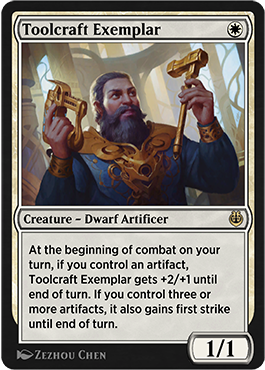
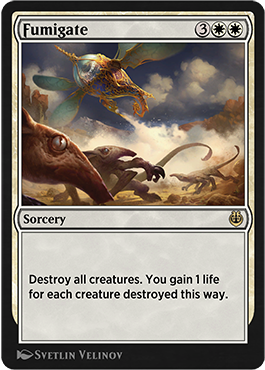
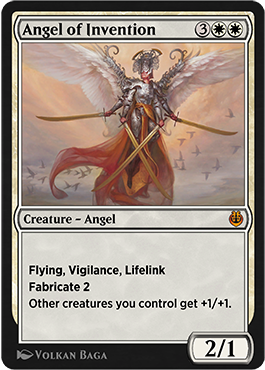
Toolcraft Exemplar starred as headliner of the aggressive artifact strategies when it was in Standard and I imagine it could rise to prominence again with Kaladesh being an artifact-based set. Fumigate adds another board wipe to mono white that could end up finding a spot in control decks. Angel of Invention works well with token strategies as it can help you go wide with servos or tall with the angel.

Blue
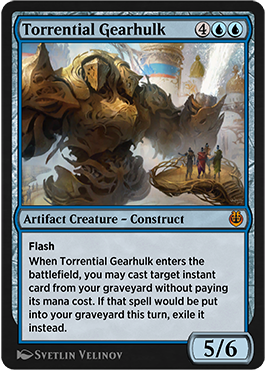
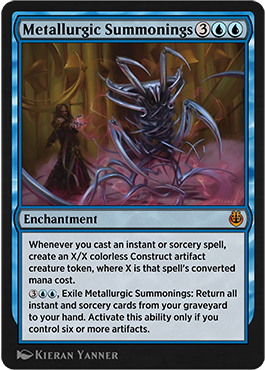
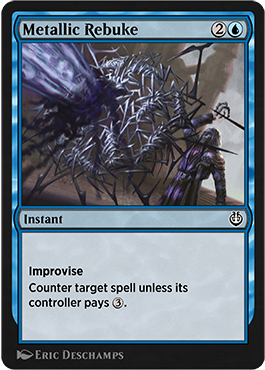
Torrential Gearhulk is a stellar control wincon with upside of being an extra copy of a counterspell if timed properly. Metallurgic Summonings is also a great control wincon making tokens like Shark Typhoon but comes down a turn earlier and has the ability to get spells back to your hand if absolutely necessary. Metallic Rebuke is a tempo counter especially good with artifact synergies.
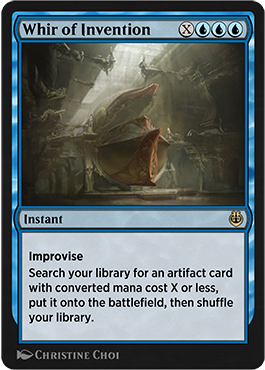
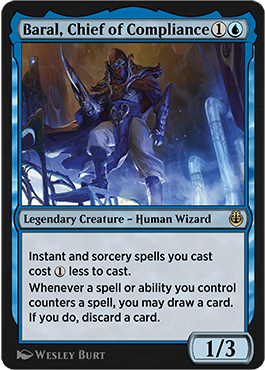
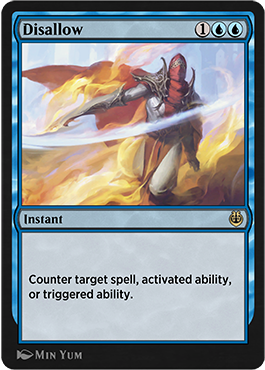
Whir of Invention is great for tutoring powerful artifact engines or combo pieces. Baral, Chief of Compliance is a mono blue control player’s dream, allowing them to get a cost reduction on their spells and value when spells are countered. Disallow is a superb counterspell with full flexibility to counter a planeswalker ult or powerful triggered ability.

Black
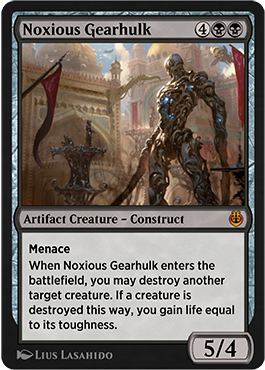
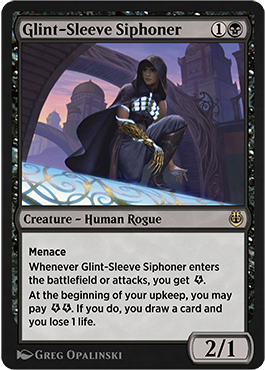
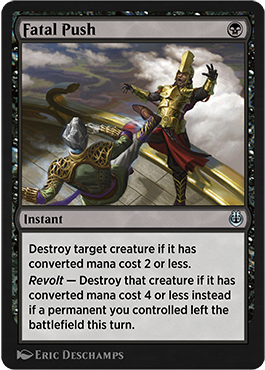
Noxious Gearhulk is an effective flicker or reanimate target, gaining you life while taking out an opponent’s creature. Glint-Sleeve Siphoner is a great tempo threat that even gains enough value on its own that it doesn’t need to go with other cards with energy. Fatal Push is a multiformat all-star that will be hard to omit from any black list.

Red
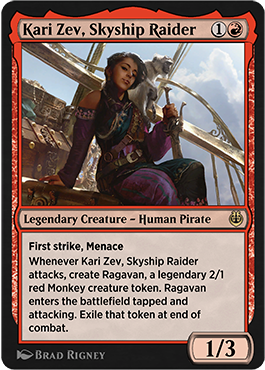
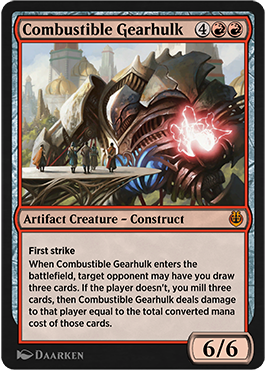
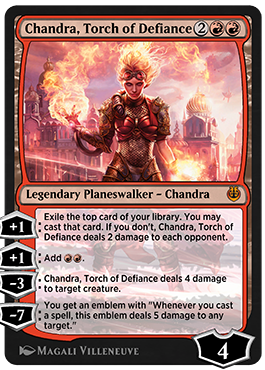
Kari Zev, Skyship Raider is a great early threat for mono red that could take the place of medium creature currently in that spot. Combustible Gearhulk is for midrange or reanimator builds that becomes card advantage or burn. Chandra, Torch of Defiance is one of the best Singleton cards of all time with a ton of flexibility as card advantage, removal, or a late-game wincon.

Green
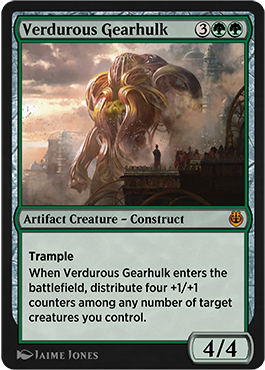
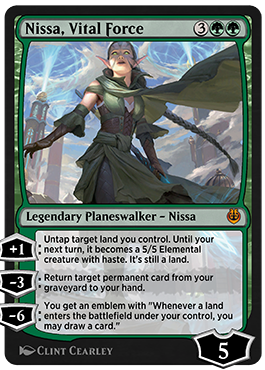
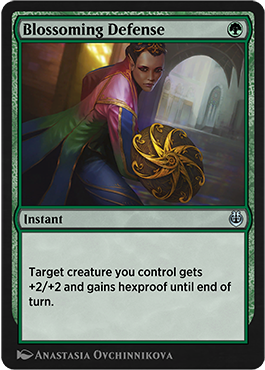
Verdurous Gearhulk is great as the upper end of the curve for an aggressive creature deck, either pushing the creatures already in play over the top powerwise or coming down as an 8/8 after a board wipe. Nissa, Vital Force is amazing for midrange green decks especially land decks with her early -6 ultimate. Blossoming Defense is an important resource for green tempo decks that want to protect their best threats while also pushing damage.

Gold
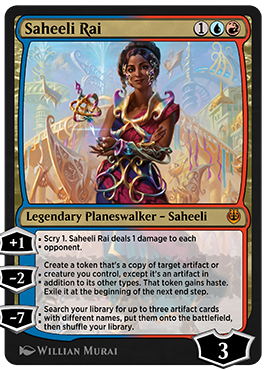
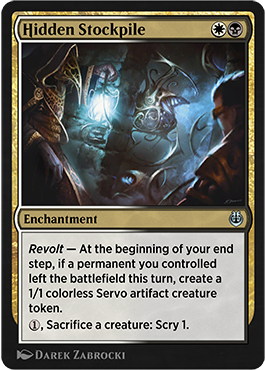
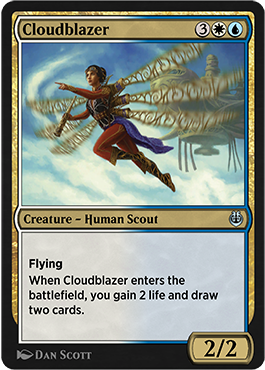
Saheeli Rai, although unable to combo without her feline friend, is still a nice value planeswalker that pairs well with creatures with ETBs especially the Temur gearhulks. Hidden Stockpile has the potential to become a powerful engine for an Orzhov aristocrats deck and this is a tool those deck were looking for. Cloudblazer serves as a great addition to flicker decks playing two roles as life gain and card draw.
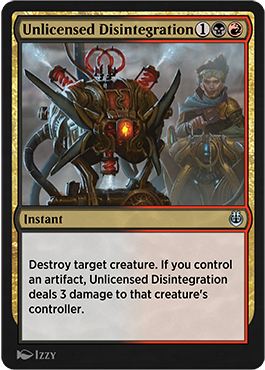
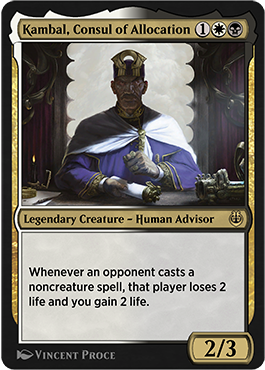
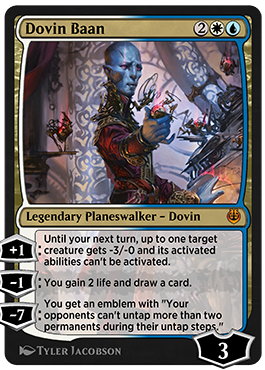
Unlicensed Disintegration was a worthwhile version of Murder for a lot of decks in Standard and here can fit in well with heavy removal Rakdos builds. Kambal is great against spell-based strategies such as burn or control. Dovin Baan protects itself as well as having a devastating ultimate for grindy matchups.

Colorless
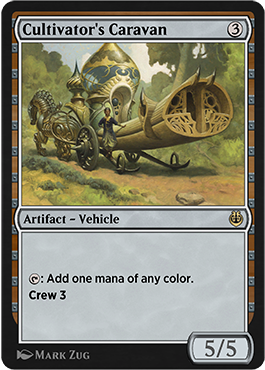
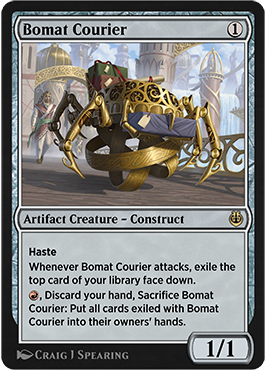
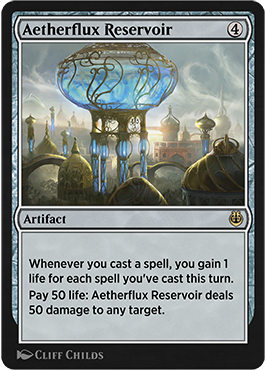
Cultivator’s Caravan is a decent mana rock that can upgrade an attacker or blocker if relevant. Bomat Courier is a powerful include into mono red aggro providing card advantage after early swings. Aetherflux Reservoir is stellar storm card with the potential to go off out of nowhere and the life gain gives you time against aggressive strategies.
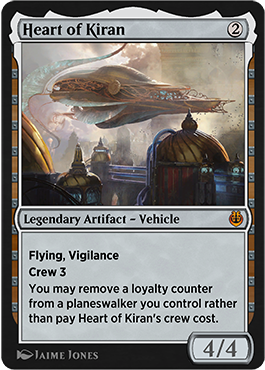
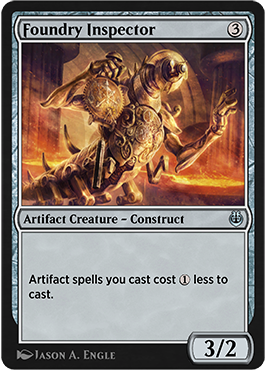
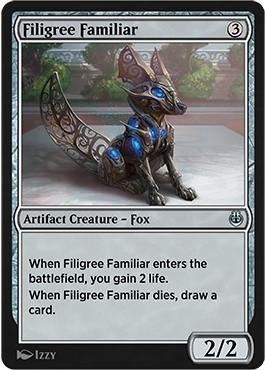
Heart of Kiran is a great early play in planewalker decks that protects your walkers but also doesn’t die to a wipe. Foundry Inspector is nice for artifact storm decks by allowing them to go off faster. Filigree Familiar can be an effective pod target to give you life on ETB and a card on LTB.
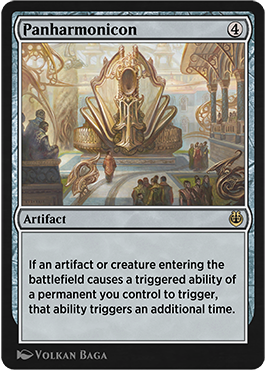
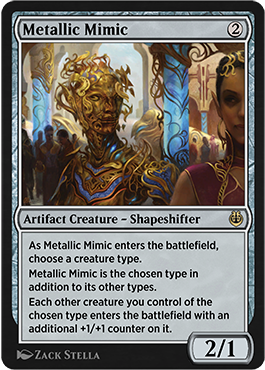
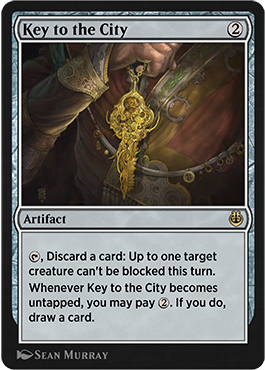
Panharmonicon is insanely powerful tool for the flicker decks and basically has to be answered or it will get out of hand. Metallic Mimic slots into tribal strategies well as the creatures enter with an additional +1/+1 counter. Key to the City is great for reanimator as a discard outlet or aggro to make sure your threats are unblockable.
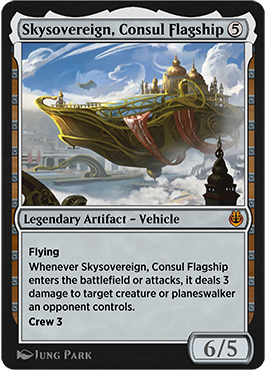
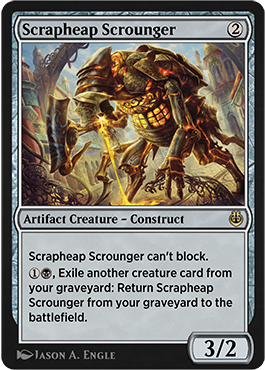
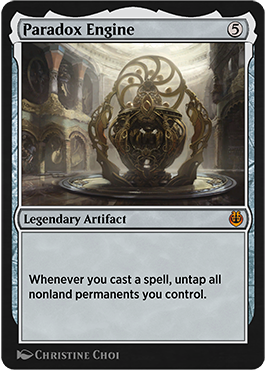
Skysovereign is effective repeatable removal against aggressive decks and avoids board wipes against control. Scrapheap Scrounger keeps coming back in black decks as they will have plenty of creatures to exile if removed by opponents. Paradox Engine pairs well with Aetherflux as an engine for artifact storm, allowing you to untap your rocks on every spell.
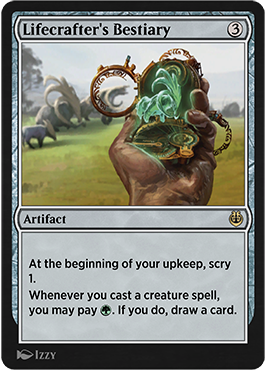
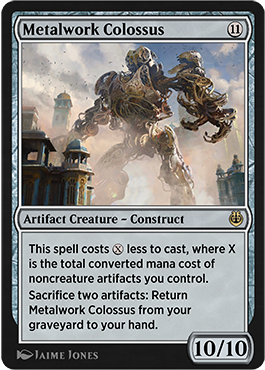
Lifecrafter’s Bestiary is a cheap tool to keep midrange green decks fueled up in the mid to late game. Metalwork Colossus in certain builds will be a cheap to free 10/10 that can keep coming back. Sculpting Steel can be another copy of the best nonlegendary artifact in play which can be very powerful.

Lands
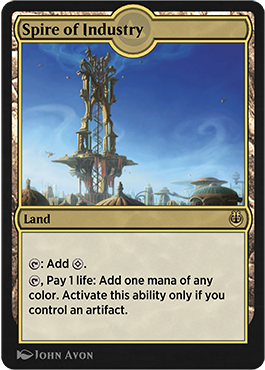
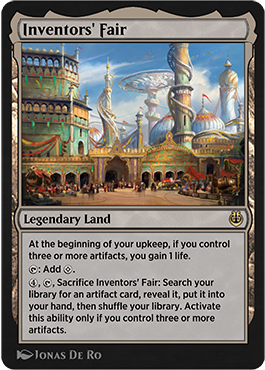
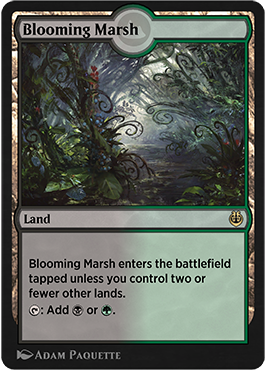
Spire of Industry allows five-color artifact decks to have access to pain land so that their mana base is a little bit easier on them. Inventor’s Fair can be a powerful tutor to Aetherflux Reservoir or Paradox Engine for instance. Blooming Marsh along with the other enemy fast lands are great dual sources for aggressive decks.

Here is the breakdown of rarity of the aforementioned cards for wildcard purposes:

Commons – 1
Uncommons – 7
Rares – 20
Mythics – 14

There are a ton of cards I didn’t bring up that will be powerful in builds to come. It’s fun to speculate on new cards and update existing decks with these old but powerful cards. The cards from Kaladesh were a lot of fun when they were on Arena in the closed beta so I was anxiously waiting to see what would be coming back and I am not disappointed.
Up the Ladder Without a Pod

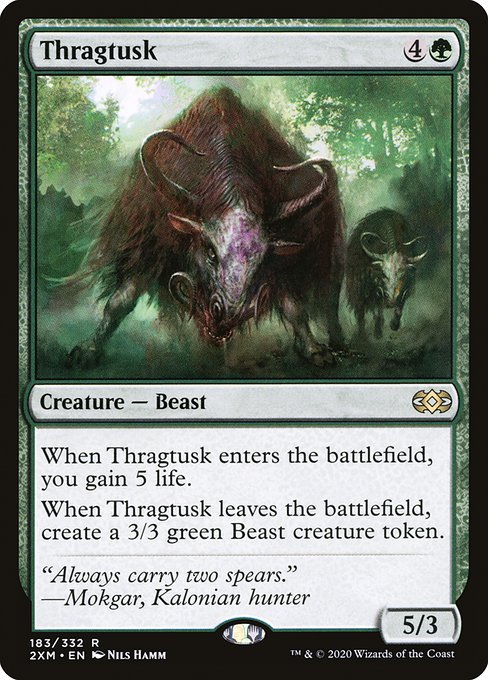
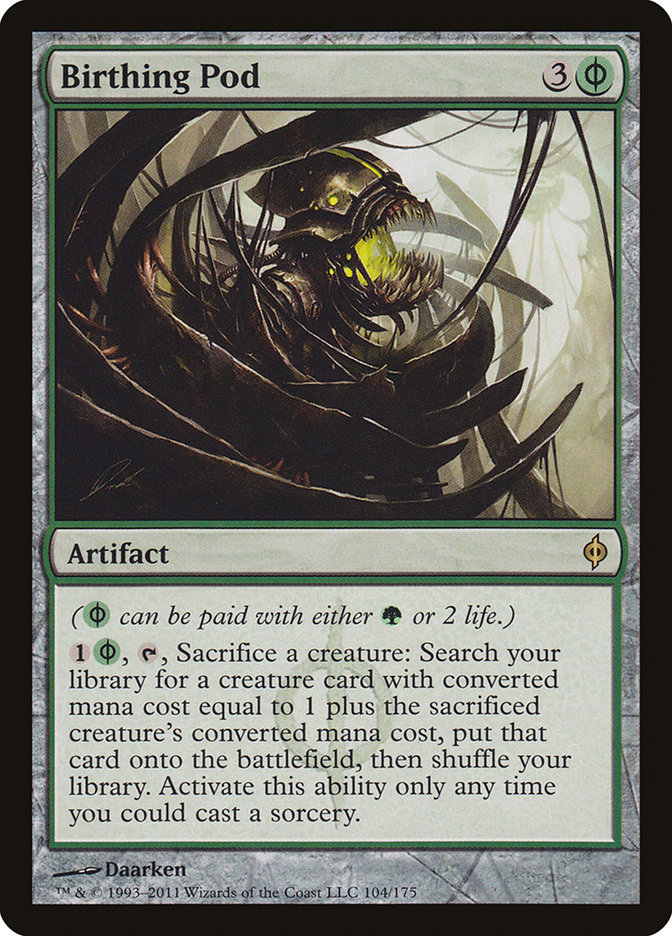
With the format of Gladiator being healthy and open to all different kinds of strategies, it is great when your deck has effective answers to as many strategies as possible and that they are tutorable to the battlefield. This could be getting a Reclamation Sage to blow up the Chromatic Lantern of a 5-color deck or it could be to get a Thragtusk to gain life against aggro. A lot of the time it is not about how hard you can hit your opponent but using the right tool. A lot of players recognize that kind of strategy in the card Birthing Pod.

Rightly banned in the Modern format, which is known for powerful combos and archetypes, it leads to not just effectively answering opponents but making combo lines that can be fairly hard to interact with. Birthing Pod works by sacrificing a creature you have in play and searching a creature from your library with one higher CMC (going up the ladder) and putting it onto the battlefield, which is very powerful in a deck that has access to many different kinds of creatures. The best creatures to get are the ones that have an effect either when they enter the battlefield (ETB) or leave the battlefield (LTB) so you get value from them and you can sacrifice them to keep going. Although this card hasn’t been printed on Arena yet, there are a couple of cards that have similar effects that Pod and have had success as substitutes in Gladiator specifically when built as Bant Value.

Pod Alternates

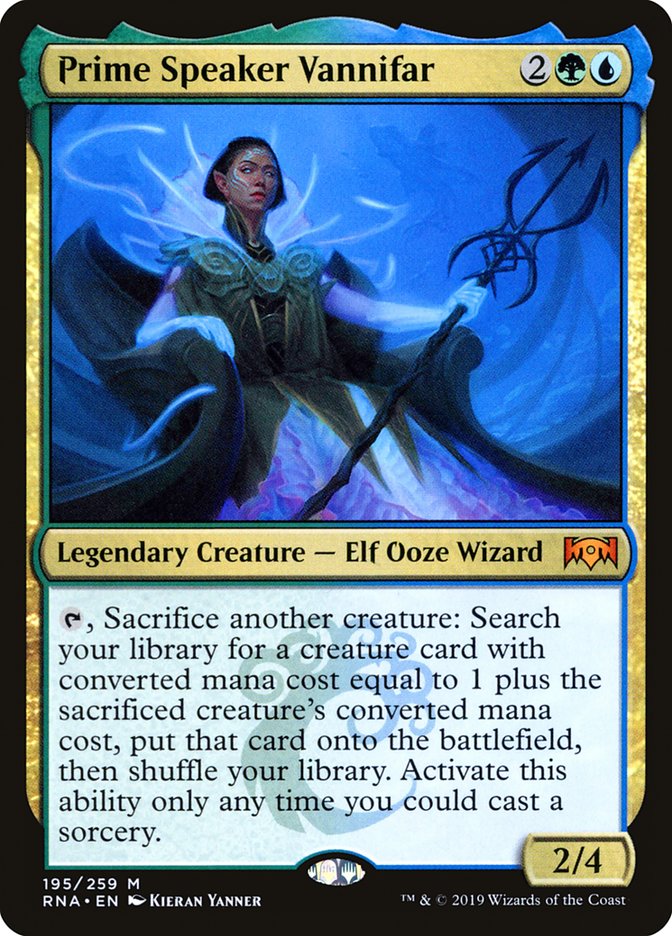
Prime Speaker Vannifar is the “fixed” version of Birthing Pod with the activation on a creature being slowed down by summoning sickness. However, the ability does not cost life or mana so with the right tutor targets the ability can be activated several times a turn.

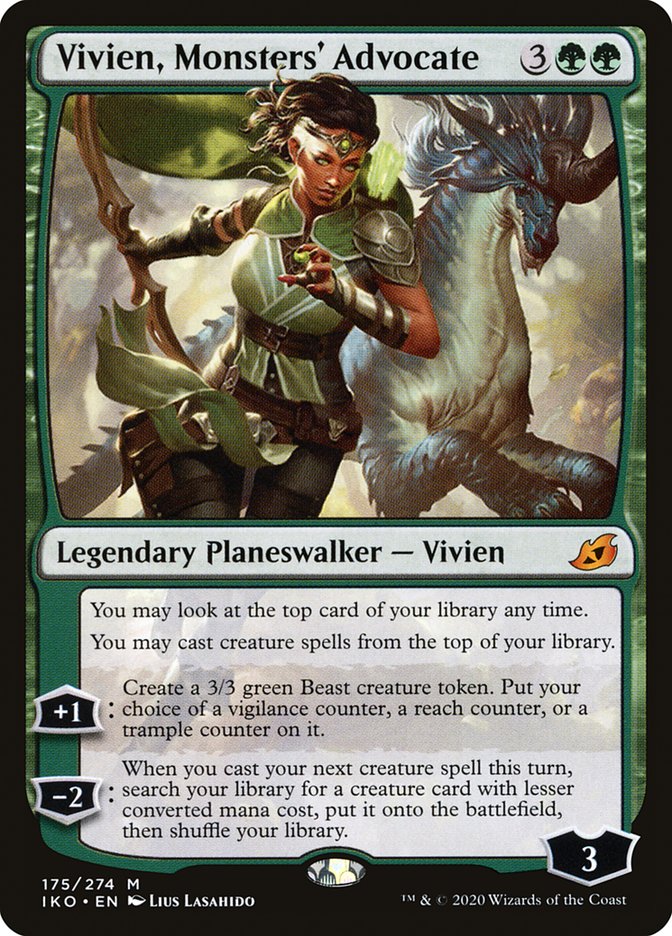
Vivien, Monsters’ Advocate works like Pod but in the opposite direction, going down the ladder. Vivien’s -2 ability allows you to search for a creature card with lesser mana cost than the creature spell you cast after activating the ability. This is good because you aren’t limited by an exact CMC so you can get a 3-drop off of a 5-drop or a 4-drop off of a 5-drop. However, you can’t go up the ladder and you have to be able to cast a creature so it can only be activated once a turn, unless if you copy the ability.

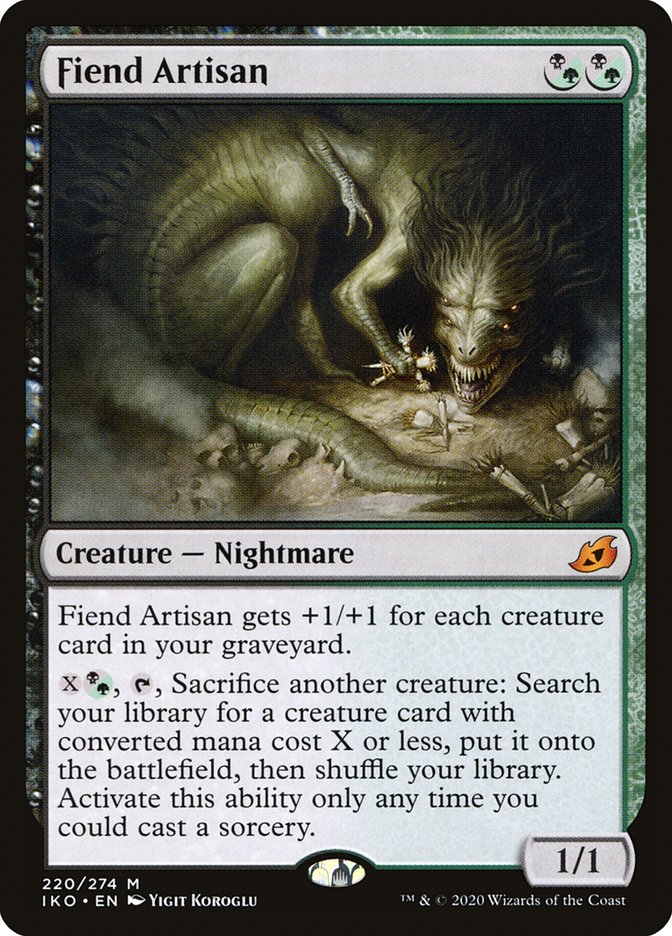
Fiend Artisan also has a pod-like effect, but instead of going up or down a ladder it allows you to sink mana in order to get exactly what you want. In some situations, it is not good as a 1/1 that can be easily destroyed but in other situations where your graveyard is filled with creatures it is a big threat that can be converted into a must chump. Even if these pod alternates can be nearly as effective as Birthing Pod, the strategy would still be incomplete with effective pod targets as answers to certain strategies or combo potential.

Ones

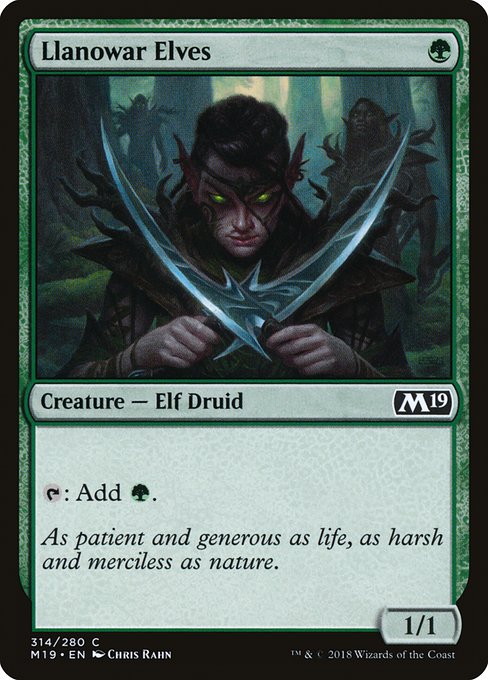
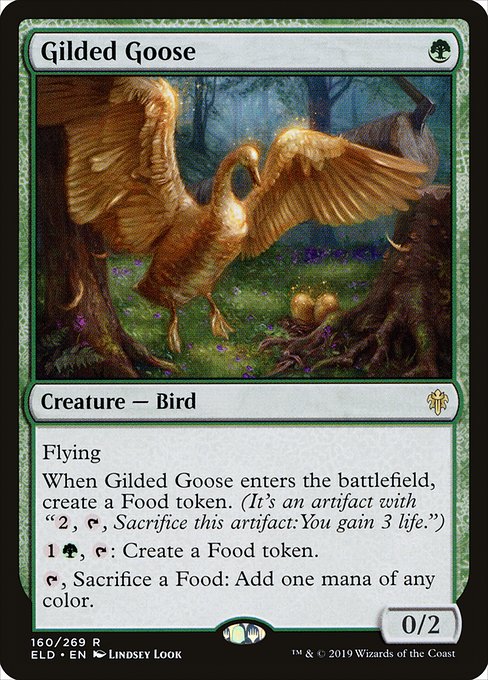
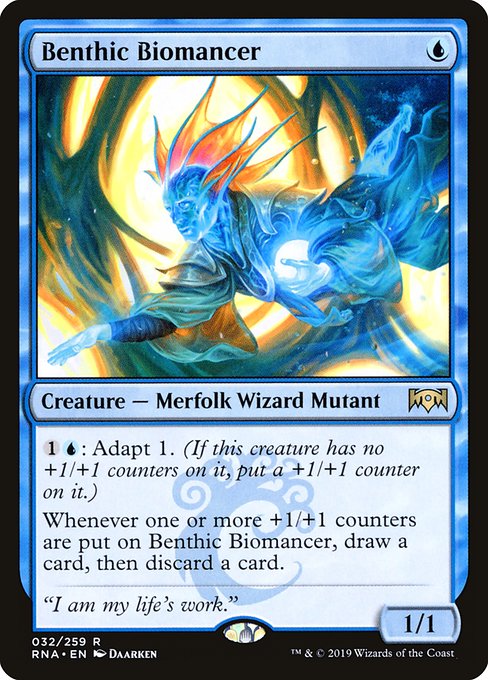
Llanowar Elves and Gilded Goose are the best pieces of acceleration in the format and will help you get out your pod alternate quickly. Benthic Biomancer helps you loot and at worst can be a 2/2 to trade.

Twos

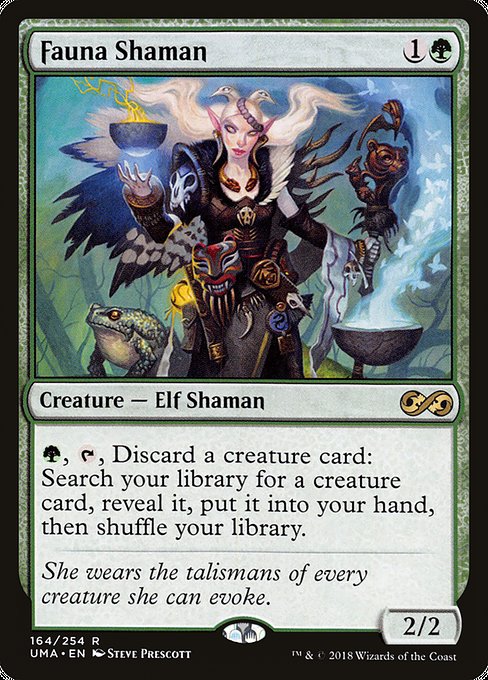
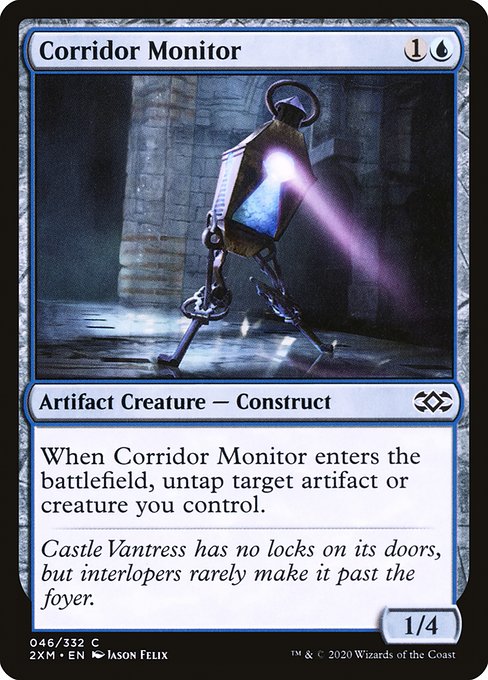
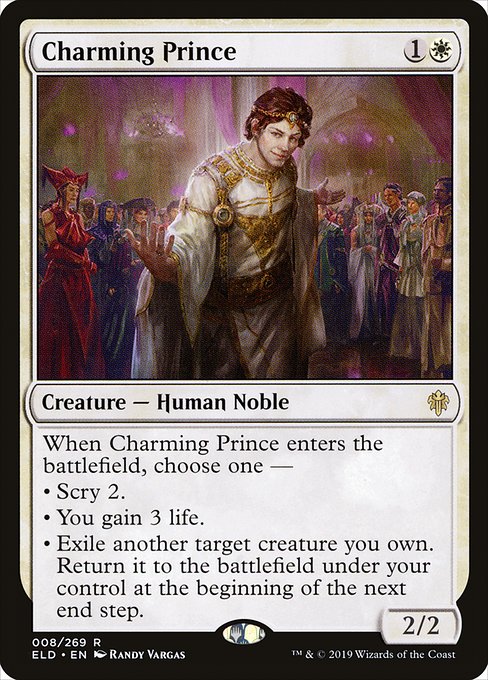
Fauna Shaman is one of the most powerful cards in the deck, allowing you to tutor for any creature to put in your hand since your deck will be full of powerful creatures. Corridor Monitor is part of some combo lines with Prime Speaker Vannifar, untapping her with Corridor Monitor’s ETB trigger to be able to activate her again. Charming Prince is great value to either scry, gain life, or flicker another creature you have with a great ETB trigger.

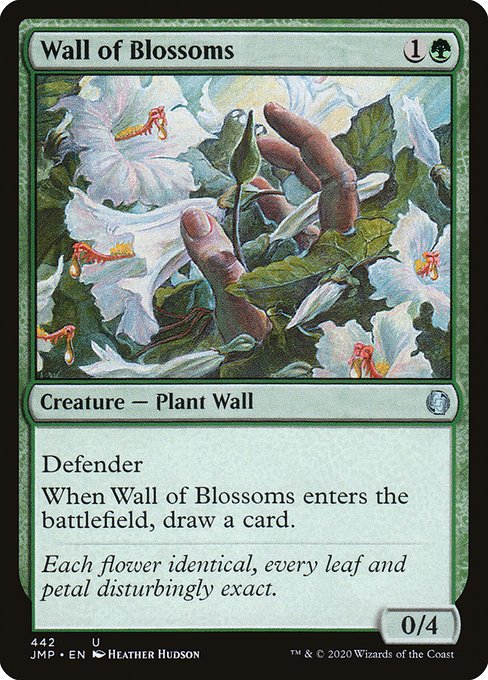
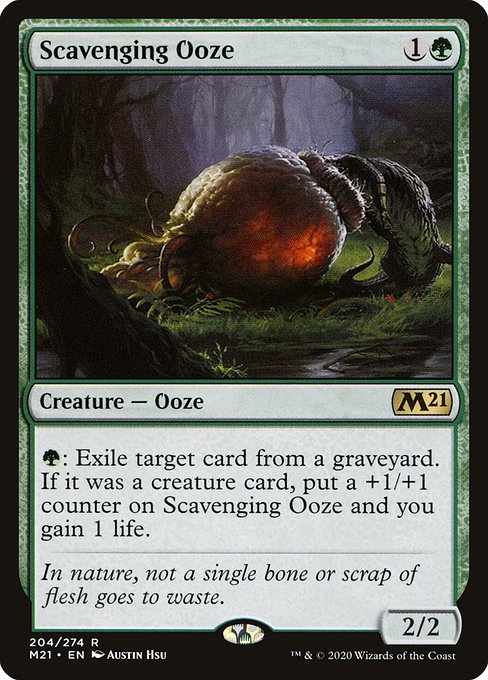
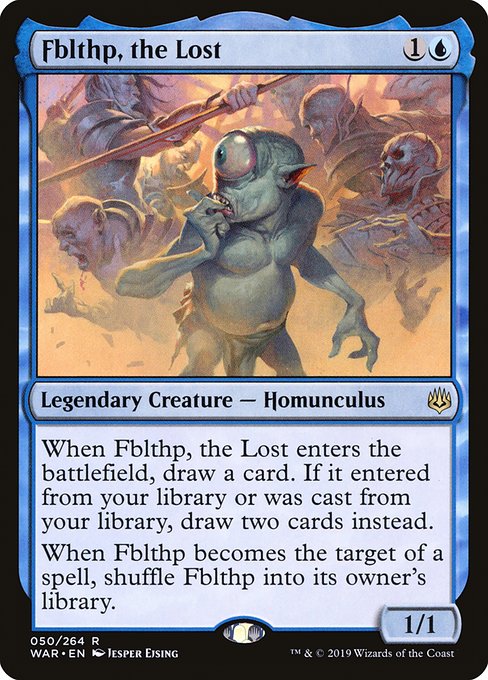
Wall of Blossoms isn’t that flashy, but being able to draw a card and block until it needs to be sacrificed is nothing to scoff at. Scavenging Ooze does double duty here being able to gain life and become a real threat by exiling creatures out of the opponent’s graveyard and our own. Fblthp is great in this kind of deck by getting us two cards when it is podded into play.

Threes

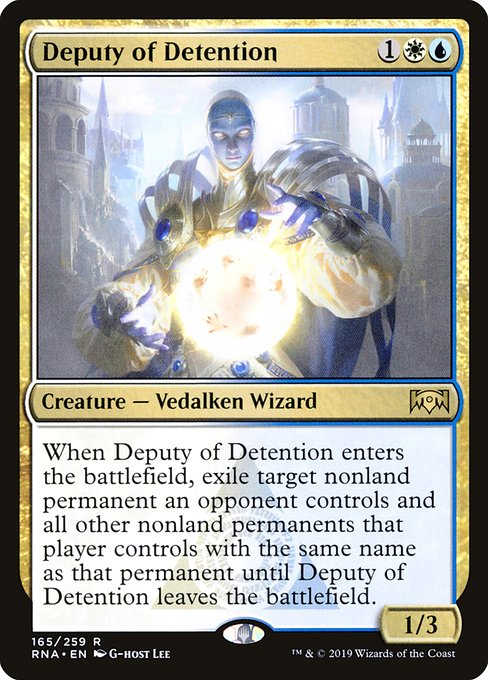
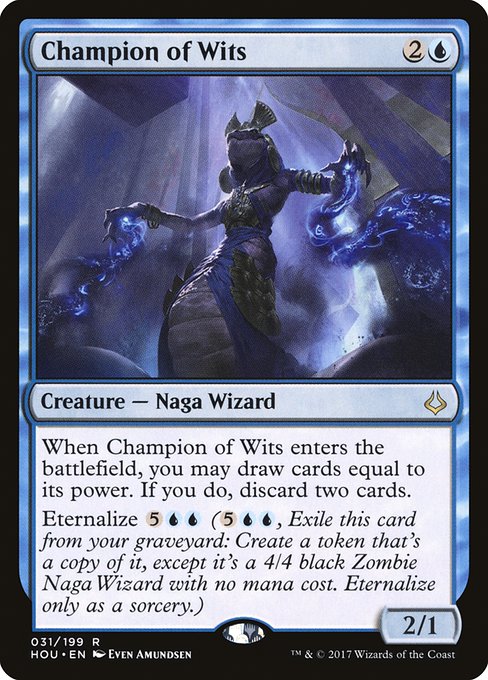
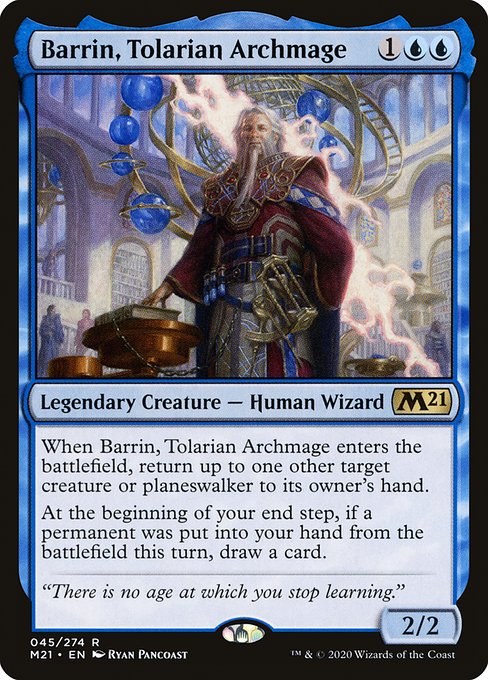
Deputy of Detention is great to take care of something immediately but if it dies it gives the permanent back if it is not a token. Champion of Wits is good to double loot and has extra value in the graveyard with Eternalize. Barrin is an upgrade to Man-o’-War, being able to bounce planeswalkers and giving you a card if you bounce your own permanent.

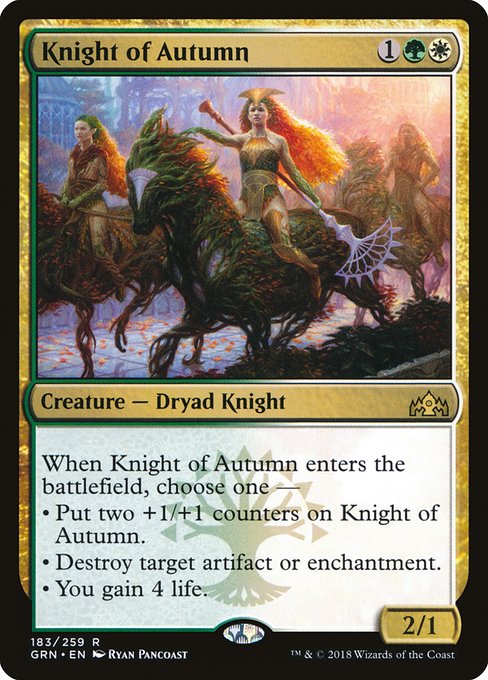
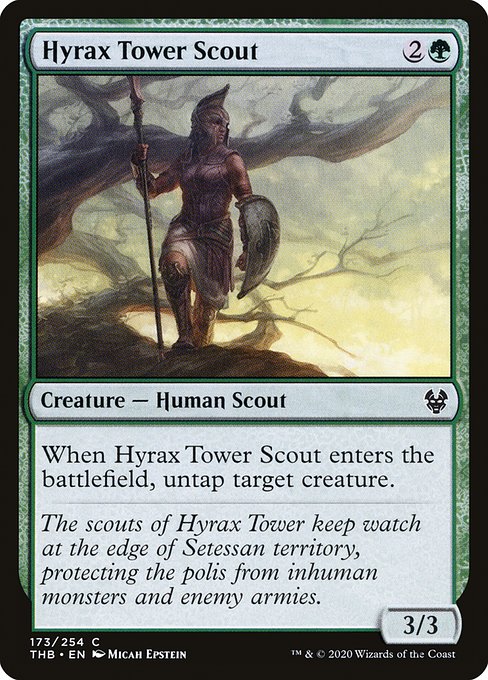
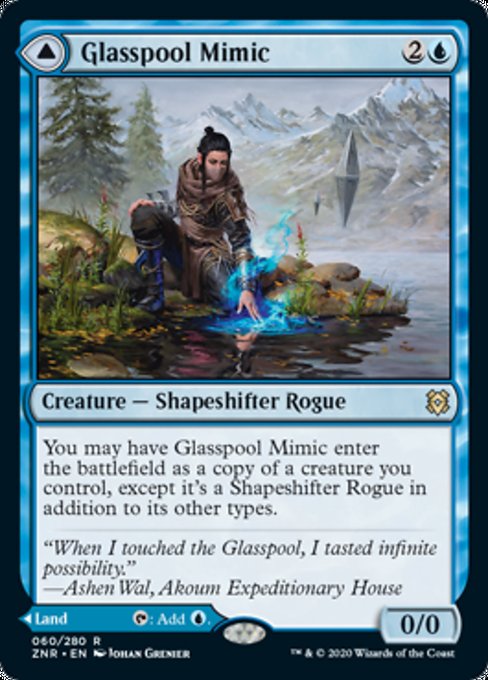
Knight of Autumn is versatile with a great modal ability to apply pressure, life, or answer an artifact or enchantment. Hyrax Tower Scout goes with Corridor Monitor to combo with Prime Speaker Vannifar to continue going up the ladder. Glasspool Mimic is one of the best clones being able to come down as a tapped land when needed.

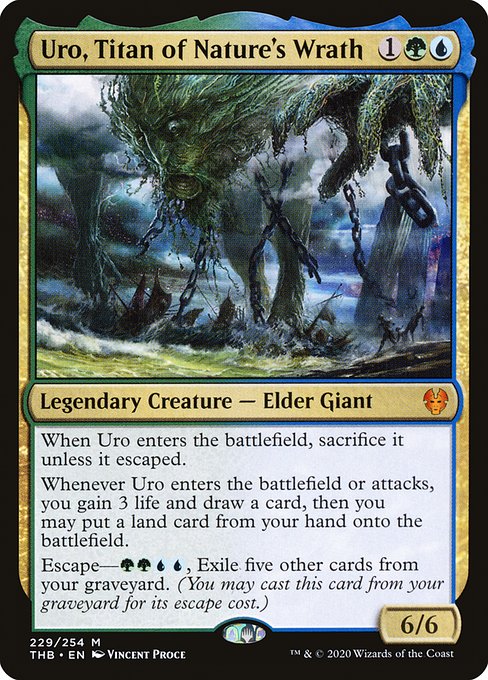
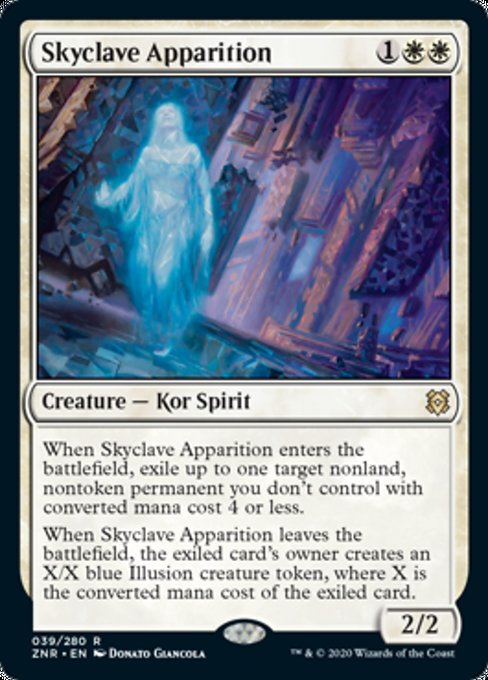
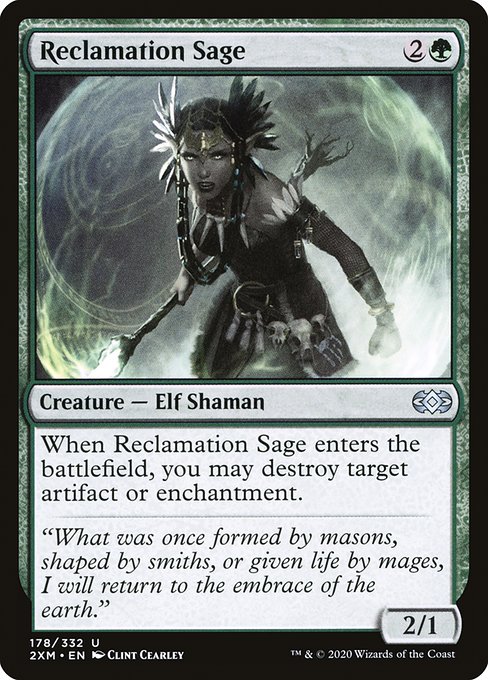
Not much has to be said about the power of Uro but it immediately dies after it enters so it is not good to get if you want to keep going up the ladder. Skyclave Apparition deals with a cheap permanent and leaves a fairly irrelevant token on its departure. Reclamation Sage is the pinnacle example of a pod target, dealing with an artifact or enchantment and only requiring one color to cast.

Fours

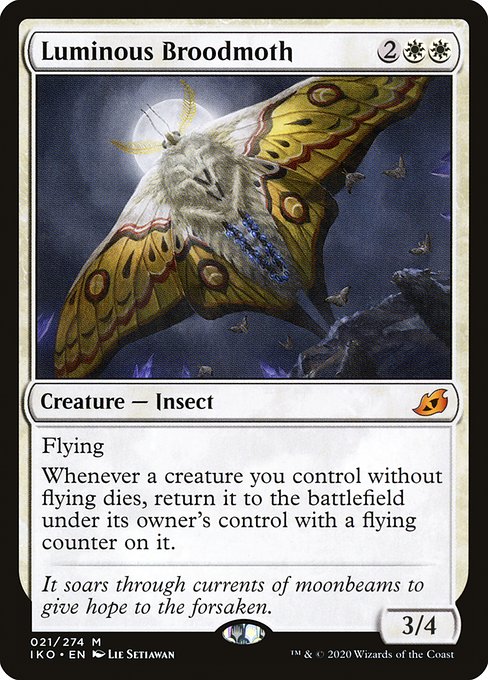
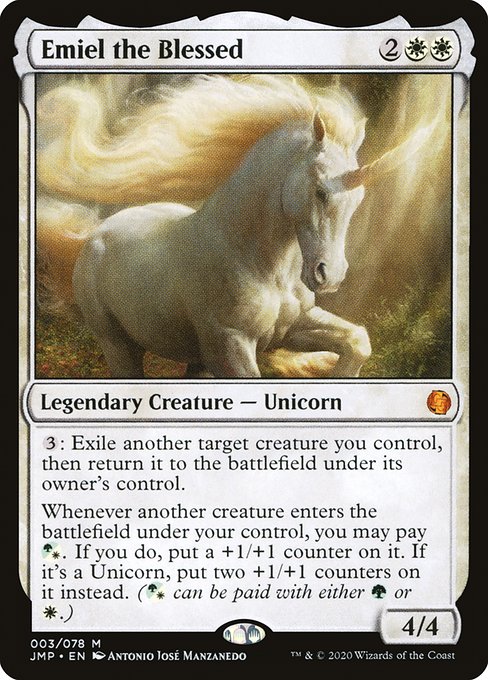
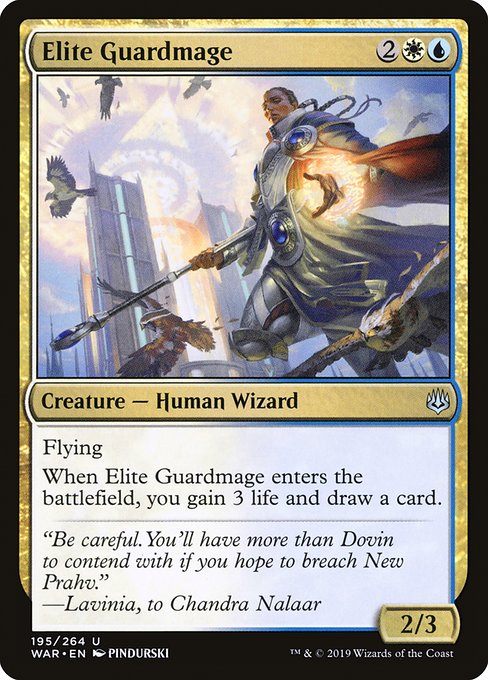
Luminous Broodmoth is a great combo piece by allowing your creatures that are podded to come back with flying counters if they don’t have flying including Hyrax Tower Scout and Corridor Monitor. Emiel the Blessed with its activated ability allows the deck to pivot into a flicker synergy by flickering creatures with ETBs. Elite Guardmage replaces itself while also gaining you life and providing a decent body.

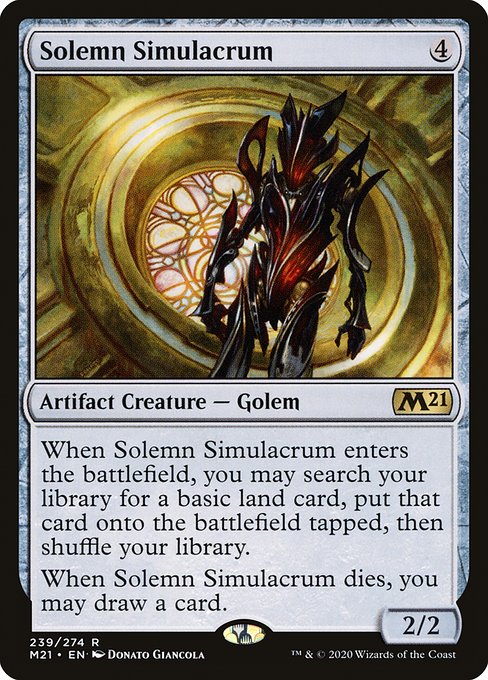
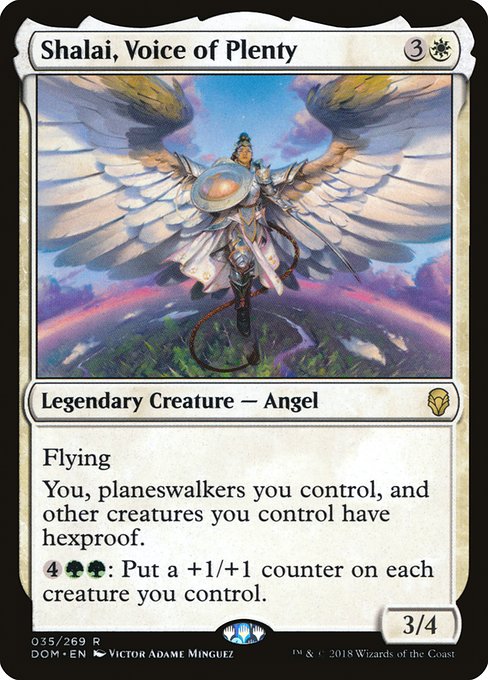
Spark Double is great to copy any creature or planeswalker, including your pod alternates, and you don’t have to worry about the legend rule. Solemn Simulacrum is great by ramping you when it enters and getting you a card when it dies. Shalai doesn’t have an ETB, but having protection from targeted removal for your pod alternates is great and you have a late game mana sink to pump your team.

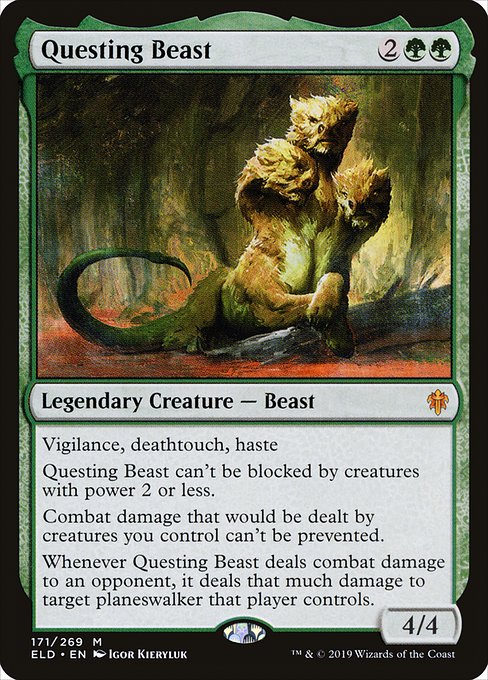
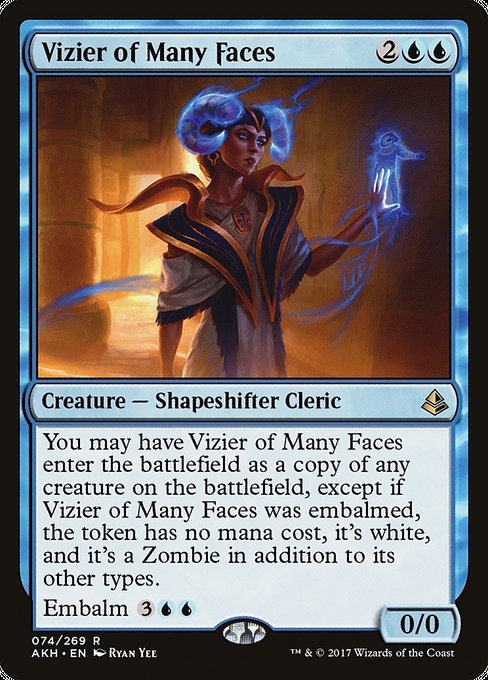
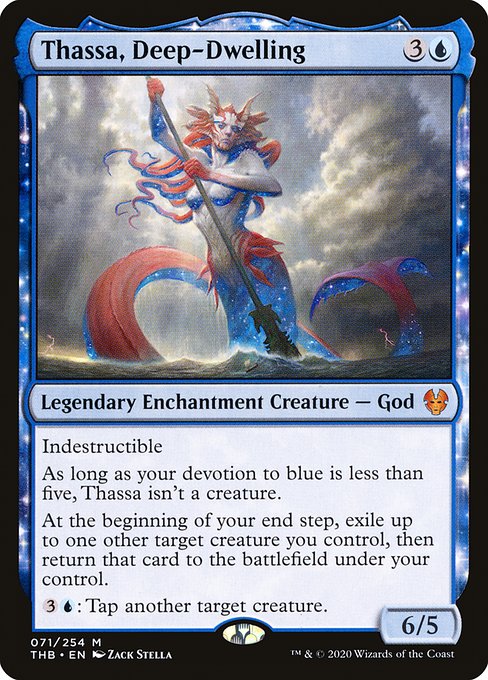
When you get to four mana, it may be worth podding into creatures to apply pressure to your opponents and planeswalkers and Questing Beast is one of the best. Vizier of Many Faces is a clone that can copy any creature and if it is podded away can come back with Embalm. Thassa adds to the flicker synergy by allowing you to get an extra ETBs on each of your end steps and is a nice mana sink to hold off pressure or apply your own.

Fives

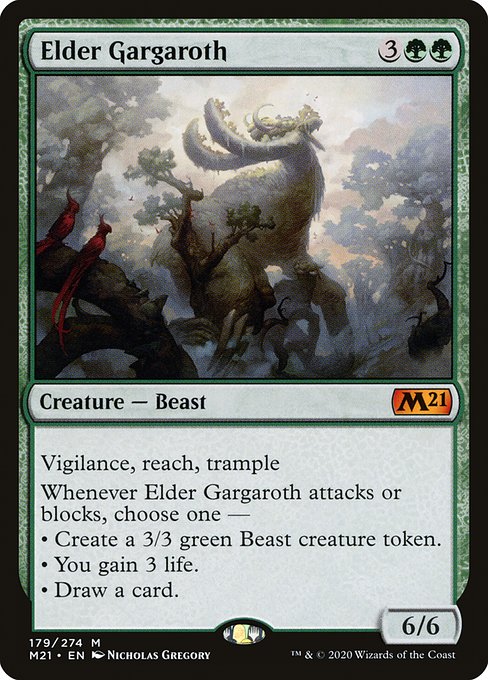
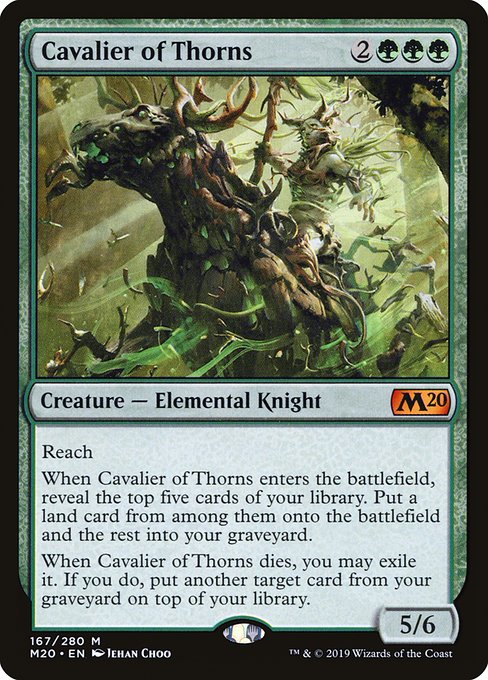
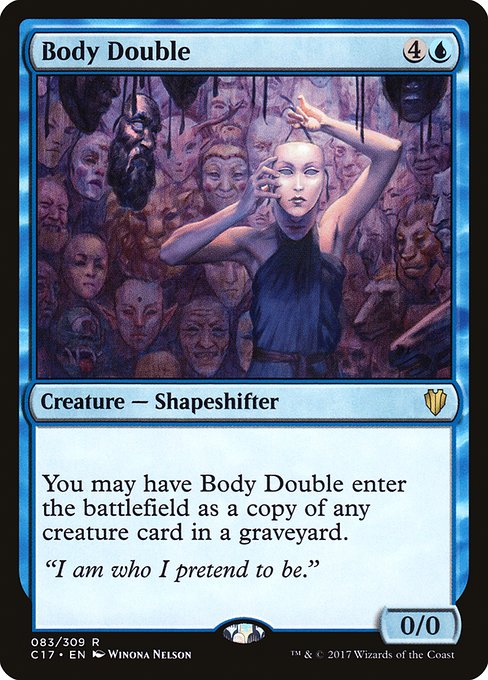
Elder Gargaroth is one of the best creatures on offense or defense in the format and can provide card advantage or just more board presence. Cavalier of Thorns helps you continue to ramp and also fill the graveyard to synergize with other cards in your deck. For example, Body Double can enter as something milled with Cavalier of Thorns or something you’ve sacrificed to your pod, so it has combo potential.

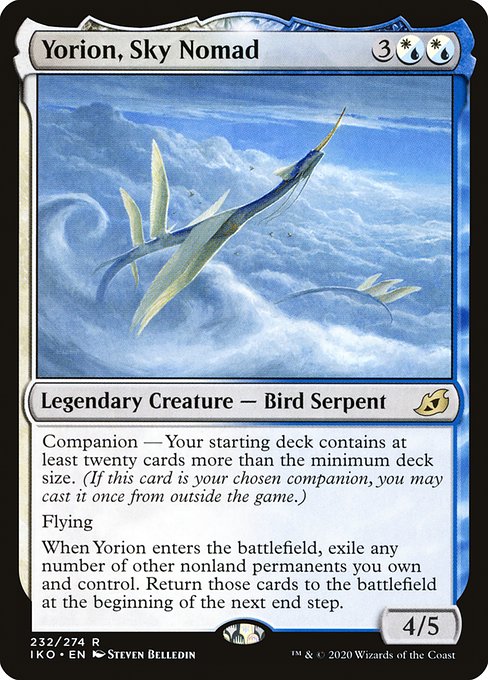
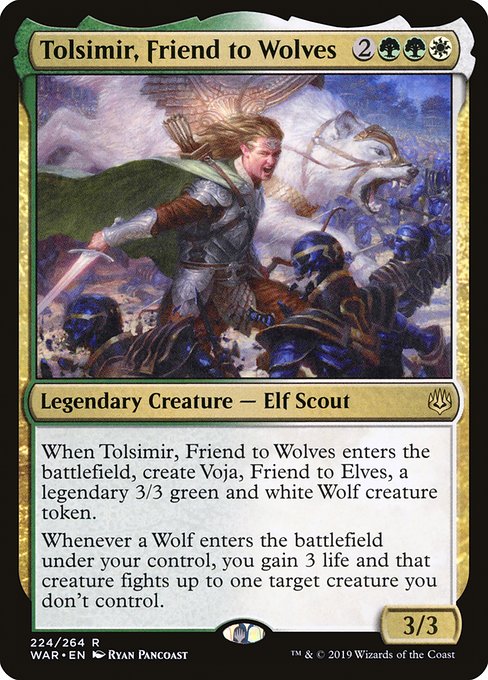
Yorion is a great addition to the flicker synergy when you don’t have a pod alternate in play. Tolsimir is good for early removal and lifegain if needed. Thragtusk is a pod and flicker all-star, giving you a ton of life with the ETB and a token on the LTB.

Sixes

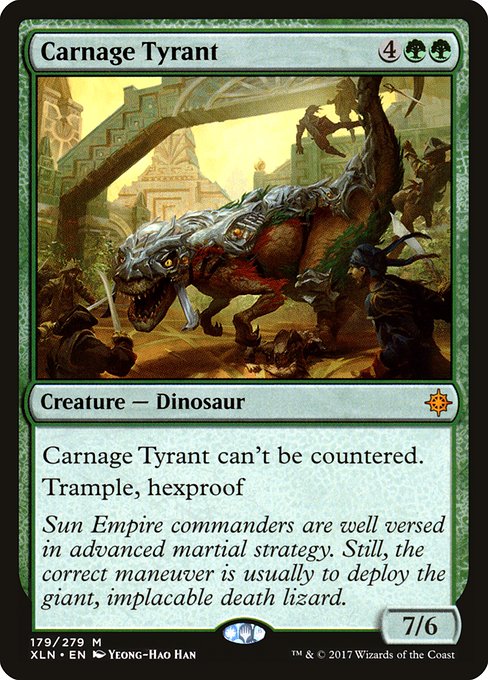
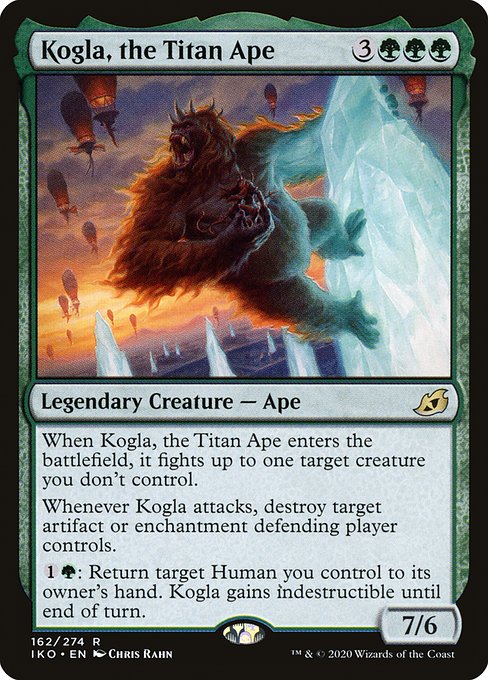
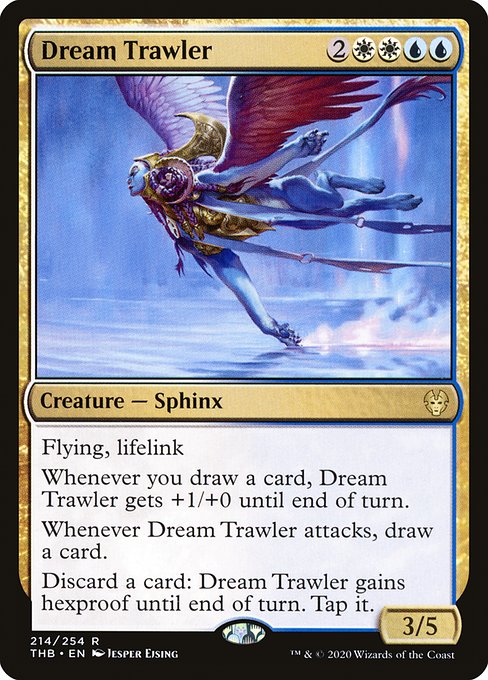
Kogla is great as creature removal and on attacks takes care of artifacts and enchantments. Dream Trawler is unanswerable without a wipe and get a lot of card advantage if not dealt with. Carnage Tyrant is also incredibly hard to deal with and comes down uncounterable if cast from hand.

Sevens

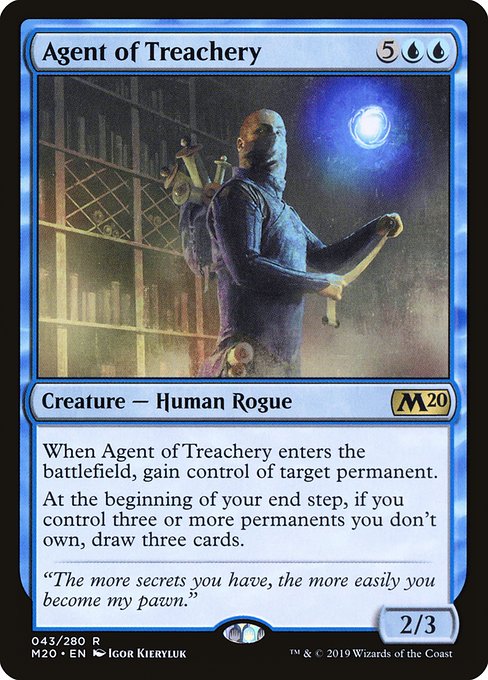
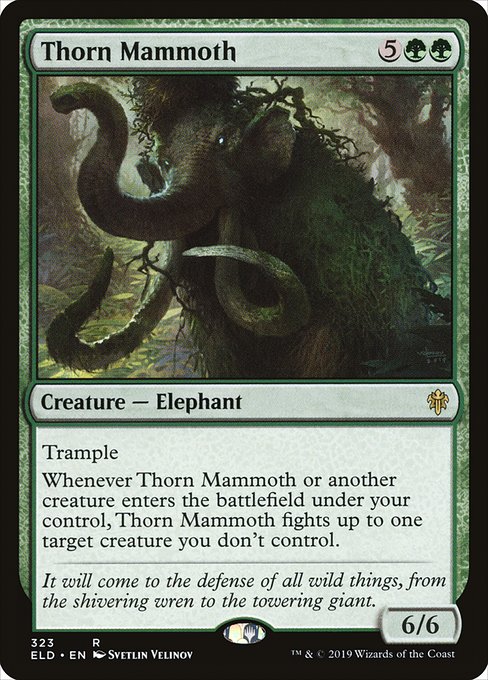
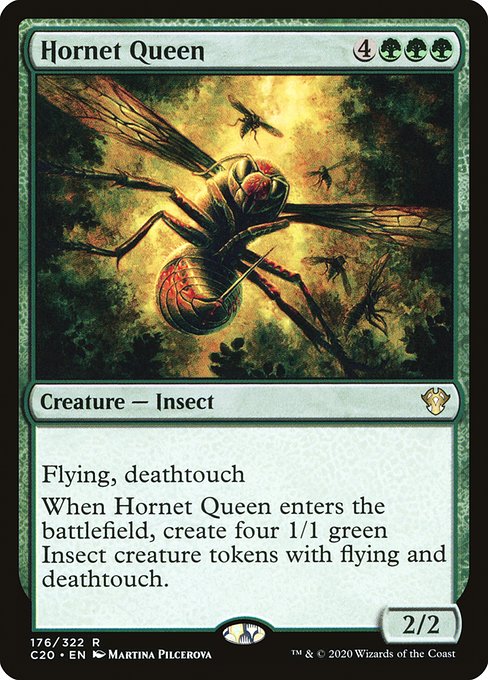
Agent of Treachery, being able to steal any permanent, has an incredibly strong ability especially in tandem with flicker synergies. Thorn Mammoth represents repeatable removal and is a 6/6 trample body. Hornet Queen, while not adding a ton of power to the board, makes five deathtouch bodies and with one flicker totals to nine bodies.

Craterhoof as the Final Rung

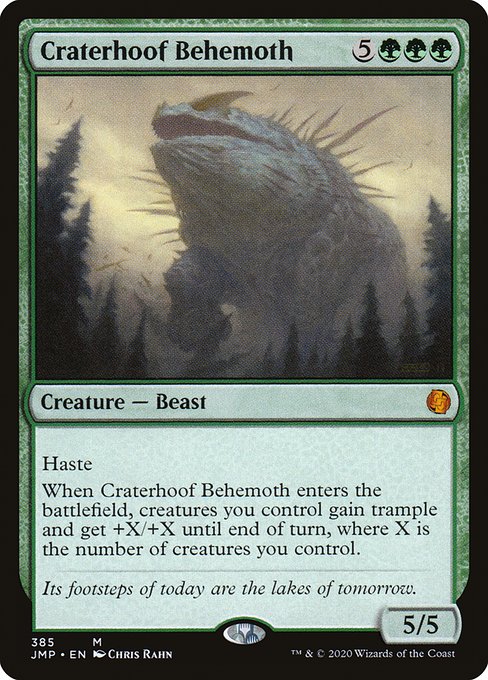
Craterhoof Behemoth is well-known as the boss of the format and with the right podding you can avoid having to pay 8 for it. With a small amount of creatures that may not present lethal after searching, it is great to have access to clones so that you get a second trigger if it comes down after hoof.

Opening Up to Five Color For Infinite Combos

While its viability is more meta-dependent than pure Bant Value Pod, 5-color pod decks give you access to more achievable combos. The combos can still be conditional on having something in play to start but with access to more cards it becomes much easier to win from a certain spot whether that is from mill, drain, or a huge swing. Possible infinite combos can be its own article with discussion on the value of each color weighing the cost of updating the mana base.

Redefining Bant Value

I brought up just a small amount of possible includes into the pod-like list, but where it goes from there is up to you. If the meta is more aggro, you can include more life gain effects and if the format is more control and midrange it will be better to have bigger threats or more tempo plays. Traditionally, the pod decks where so called because the deck would “go off” when Birthing Pod was in play. However, with the Singleton format it is hard to impossible to guarantee that you’ll find a pod alternate in every game. That is why I also highlighted possible flicker synergies as well as aggressive creature strategies and the ability to interact with the graveyard. In a deck like this where the plan is to get value wherever you can find it, it is important to not rely too much on your namesake card and have synergizes wherever you can find them. Like a recipe, you should be seeing what you end up tutoring for the most and which pod pieces are the most effective when they land, taking out pieces that have disappointed you. If you can play this deck as a value deck that gets even more value when it sees one of the pod alternates, you should be in a good place.

Elements of a Successful Gladiator Deck

Gladiator is a format where you can build and play anything you want. Feel like playing Orzhov lifegain? Build it. Feel like playing Mono Blue? Done. Counterburn? Sure. With having access to every card on Arena, except for a couple, the format is everybody’s oyster when it comes to making a deck and jumping in the queues. That is the reason I love the format and think discussion on what to play and how to think about building is so fun. Traditional constructed formats tend to be “solved” fairly quickly, and the way I see it Singleton allows the games to be more about builds and lines of play than matchups and lucky draws.

With that said, while having the ability to build everything there tends to be successful archetypes. They may be successful because the archetypes are traditionally successful in 1 v. 1 strategies. They may be successful because a set or two gave them a lot of tools and brewers have learned the best way to build around them. Typically, the best decks and strategies have one of those or both reasons and more to why they are successful. But what makes successful decks successful? I looked at three 5-0 decks from the current league and break down the elements of their construction and strategy.

Element 1 | Having a Plan

This is the most important but also the hardest to define element of the successful deck in Gladiator. The idea of this element is at the end of construction you can identify the purpose or strategy of your deck and each card in your deck can be justified to serve them. Some of the most basic plans can include but are not limited to:

1. Killing Your Opponents as Fast as Possible (traditional aggro)
2. Killing Your Opponents Quickly while Controlling the Board (tempo)
3. Having Cheap Removal and Midgame Threats (traditional midrange)
4. Ramping Up to Big Plays (ramp midrange)
5. Board Wipes and Planeswalkers (traditional control)
6. Combo

When you can identify the plan of your deck, you can go back and see if any cards don’t really fit that plan. You probably shouldn’t play Merfolk Trickster in your control deck, because even though it is an early play it just dies to your board wipe and doesn’t hold off your opponents’ large creatures. You could cut your Burning Sun’s Avatar from your Mono Red deck, because you can’t justify its mana cost with your aggro plan. It is important to look at your deck like a puzzle with every card being a piece. Not every card should do the same thing, but should be balanced at the top and bottom of the curve with effects that fit your deck’s plan.

I chose the trophy decks based on their plans being clearly distinct and to a degree definable. Catmoozi’s 5-0 Mono Red list is the ultimate aggro deck topping the curve with Hazoret the Fervent and Torbran, Thane of Red Fell. The strategy is clear: cheap creatures to do quick damage and burn going to face if the opponent gets effective blockers.

BraveJRL’s 5-0 Mono Green list is what I’d call ramp midrange where the idea is to use early creature ramp to get out a 5-drop like Cavalier of Thorns to hold off aggro until it can win with Craterhoof Behemoth or just by swinging bigger creatures. While this deck can end up playing like an aggro deck with a turn 2 Yorvo, Lord of Garenbrig, it doesn’t have the typical removal suite and aggro deck would have and it aims to win a little later than turn 5.

Mana Vault’s 5-0 Azorius Control list works at every point in the game to block creatures effectively, counter spells, and control the board. With control classics like Wrath of God and Sphinx’s Revelation, this deck looks to survive to turn 8 and from there it looks to take over the game.

Element 2 | Early Plays (Answers for Aggro)

No matter what your plan is, your deck needs to play something before turn 4. Even against midrange, if you are not doing something before turn 4 you will probably fail fairly behind. Some of the most effective early plays are:

1. Cheap Creatures
2. Cheap Removal Spells
3. Cheap Ramp
4. Cheap Filtering/Card Draw

Although the idea of playing cheap spells is fairly simple, it is interesting to discuss the amount (through percentage) of cards you play should be three or less mana. That could depend on the impact of the spells in question or the amount of 4-drops the deck has that can really block up the board or act as removal.

Catmoozi’s Mono Red list is all cheap spells and in an aggro matchup just wants to be faster than the opponent like it would be with any matchup. Of note, this list has 14 1-drops creatures, 14 1-drop noncreatures counting Light Up the Stage and Skewer the Critics, and Embercleave which in some game states is just free.

BraveJRL’s Mono Green list has close to 40% of its spells for 3 or less mana which makes it very likely to have a play before turn 4. The cheap creatures aren’t just used as block fodder are used to ramp so that 4 drops come down as early plays as well.

Mana Vault’s Azorius List has multiple kinds of early plays to make up for its lack of early aggression. There are removal/pseudo removal spells like Seal Away and Blink of an Eye to slow down early creatures, The Birth of Meletis and Omen of the Sun for early chumps, and ramp like Mind Stone and Chromatic Lantern to play wraths earlier and have the mana for wincon haymakers like Ugin, the Spirit Dragon and Ulamog, the Ceaseless Hunger.

Element 3 | Closing Out the Game

Just like your deck needs to have early plays, your deck needs to have a way to close out the game and enough of them. This element may be fairly simple for archetypes like midrange and combo, but can be more complex for aggro and control. For aggro, you may have a lot of cheap creatures, but have no answers for a big creature that the opponent plays that can block everything you have. In that case, you need to have burn to face to close out the game and you need to run enough of it to use some burn on their cheap blockers and have enough to burn them out in the end. For control, you can end up packing your list with removal and counterspells, but if you don’t have a way of taking the advantage in the late game then the aggro or midrange opponents can eke out enough advantage to win. That’s why you want to have at least and handful of wincons with a control deck just in case you have to bottom one early on a scry or discard it to dig for early plays. A nice advantage to have in your wincon slot is a card that can also be played as an early play.

The Mono Red list has access to variable-costed burn in Roil Eruption and also late game mana sinks in Hazoret the Fervent and Kargan Intimidator. It is also nice to have access to phoenix reanimation in Lightning Phoenix and Earthshaker Khenra.

Mono Green has its namesake of Craterhoof Behemoth as a clear ender, but there a several others that can do the job. Ghalta, Primal Hunger is a powerhouse, Biogenic Ooze takes over the board with tokens that continually grow, and Rhonas the Indomitable can pump in bigger swings to name a few.

Azorius Control plays a handful of wincons that come late in the game but are very hard to overcome. Ugin, the Spirit Dragon is one of the best, acting as an answer to your opponent’s board and a way to win out of nowhere. The list also has Dream Trawler and Teferi, Hero of Dominaria that can come down as midgame plays but if unanswered take over the game.

Element 4 | The Mana Base

Nobody what color identity your Gladiator deck ends up being, you will eventually need to work out the mana base. The analysis of your mana base should include the land count, color sources, number of modal dual faced cards (MDFCs), and number of tapped lands. This could end up being more complex than you care to calculate, so this will have to be tested with several reps. Here are the questions you should be asking yourself game to game:

1. Am I getting enough (2-4) lands in my opening hand? (land/MDFC count)
2. Do I have enough untapped lands to play my spells on time? (tapped land %)
3. Do I end games just hoping to not topdeck lands? (land/MDFC count)
4. Am I ever hindered by mana color restrictions in a game? (color sources)

Although it may seem silly to look at these questions, it is important to realize that most people don’t think about their mana base enough and it becomes a big factor game to game where it shouldn’t. If you feel like you are in a good spot as far as your mana base, here are some general tips for most mana bases in Gladiator that you can also utilize:

1. You should probably be playing the Mythic MDFCs in your colors. The life cost isn’t a big deal compared to the flexibility and ability for it to be untapped. You can also be playing the other MDFCs that fit your game plan.
2. Unless the list is ultra aggro, 2-color decks should be playing the Temples. Scrying becomes so much stronger when your deck is a toolbox like it is in Gladiator.
3. Control and lands decks should run more lands so that you can ensure land drops every turn.

Utility lands are also important, because a lot of the time you will have extra mana and be able to use it. Having the Castle set from Throne of Eldraine and the uncommon Desert set from Amonkhet Remastered is a good start for your utility land suite. Catmoozi’s Mono Red list has Ramunap Ruins and Sunscorched Desert. BraveJRL’s Mono Green list has Castle Garenbrig and Hashep Oasis. Mana Vault’s Azorius List has Arch of Orazca, Castle Ardenvale, Karn’s Bastion, and Memorial to Genius along with a ton of fixing.

Element 5 | Innovation and Conclusion

It is great that Gladiator has access to the oldest cards on Arena so that you could make a deck and keep it as new sets keep being added. But it is also great that with each new set you get access to new kinds of effects that could make an existing deck stronger or make you want to change the plan of the deck entirely. Balancing the strength of established cards and strategies and the strength of new cards with possible power creep is a skill that each deckbuilder comes to terms with whenever a new set is printed and decks get updated.
Outside of the functionality of the decklist itself, there are a few of other factors that can determine the viability of certain strategies or interactions with opponents:

1. What is the current meta?
This could help you decide on what kind of deck to build in the first place but can also affect individual card includes. If the meta is all aggro, cheap board wipes life Deafening Clarion or Sweltering Suns may even be worth running in decks that have mana dorks just because you know aggro will fold to a wipe. Conversely, if the control is most of the meta it may be smart to make a hyper aggressive deck with cheap counterspells to counter any wipes.

2. How much has this strategy/interaction been seen?
Even with a fairly open meta, the card pool of Gladiator is so huge that many interactions may be misplayed because they haven’t been seen before. Maybe your opponent didn’t clearly read Lithoform Engine and when they try to remove one of your legendary permanents you just copy it and keep the token. Maybe your opponent doesn’t realize you have Never // Return in your graveyard and plays their Uro, Titan of Nature’s Wrath from hand and just as quickly has it exiled from their graveyard. There are so many cards to keep track of and the ones not as well-known may be easier to get people with.
As new sets come out, the pool for Gladiator will grow and new strategies will emerge. It’s exciting to not know the strongest possible deck and the variance of the singleton format will ensure that many strategies can be viable competitively. The elements of the successful decks in Gladiator provide a foundation for the format’s future, but when it comes to my decks I like to think of each of them as an extension of me depending on how I feel. Sometimes I feel like aggroing out. Sometimes I feel like slowing down and controlling the game. However I’m feeling, I’m grateful to have this format which both feels healthy and comforting.

Catmoozi’s Mono Red List – https://gladiator.emallson.net/deck/1139
BraveJRL’s Mono Green List – https://gladiator.emallson.net/deck/1196
Mana Vault’s Azorius List – https://gladiator.emallson.net/deck/1215

Design a site like this with WordPress.com
Get started